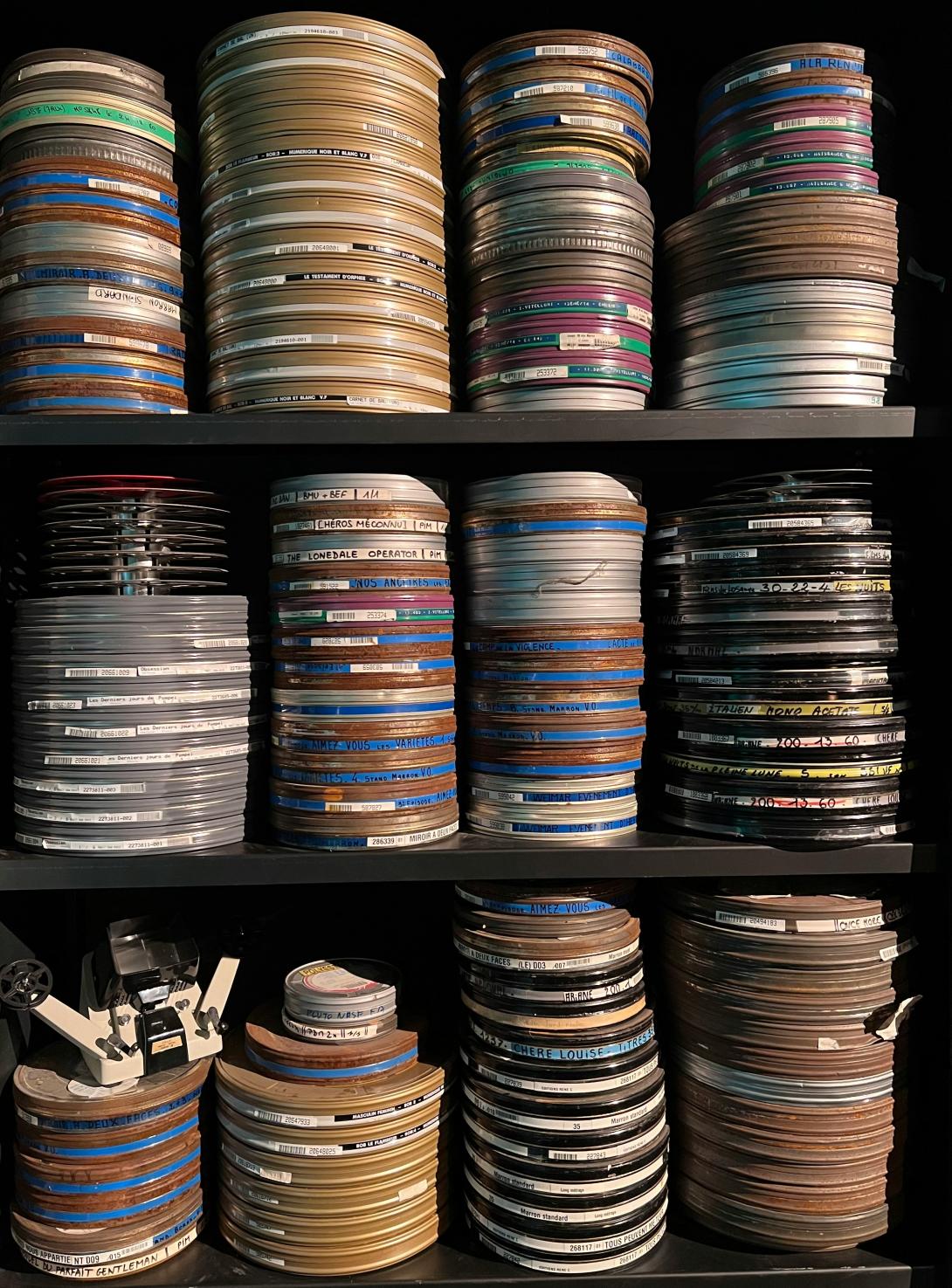
Recently, I visited a media organisation where hundreds of hard drives were scattered across desks and shelves. Each drive contained valuable content, but without proper organisation, accessing and using it efficiently was a challenge.
A common issue in media storage is that content only generates value if it’s easy to find and use.
Storage Challenges
Over the years, I’ve seen organisations take different approaches to storage. Some rely on enterprise Storage Area Networks (SANs), which are powerful but require specialist knowledge to manage. Others use external hard drives, which are simple but make it difficult to track and protect content properly.
SANs can be costly and complex, while relying on hard drives leads to inefficiencies and risks, especially as the volume of content grows.
A More Practical Approach
Object storage provides a different way of managing digital assets. Instead of using traditional file or block storage, it organises files as objects with metadata, making them easier to search and automate.
A typical setup includes at least three storage nodes working together. When content is added, it’s stored on one node and, in dual-instance mode, a second copy is made on another. This provides redundancy without the need for complex configurations, the software managed it all for you.
A Real-World Example
We worked with a cultural institution to replace their collection of external hard drives with a centralised object storage system. Before, finding a specific piece of footage meant searching through spreadsheets, and individual drives, hoping the right one was available and undamaged.
Now, their teams can search their entire archive instantly, preview content online, and access it from any authorised location.
Security and Ease of Use
Modern media storage needs to be secure, accessible, and scalable. Our approach includes multi-layered security, auditing, and disaster recovery features. As storage needs grow, the system scales without adding complexity or requiring specialist skills.
Metadata extraction and search functions make content easier to organise and retrieve, turning storage into an active resource rather than just a repository. Teams can access content through S3, filesystem interfaces, or web browsers, making workflows more efficient.
The Future of Media Storage
As media organisations produce more high-resolution content, having a reliable and accessible storage system is increasingly important. The best solutions provide the benefits of enterprise storage without unnecessary complexity, allowing creative teams to focus on their work.
Modern storage systems keep content safe, organised, and accessible, helping organisations manage and utilise their content libraries effectively.
This article is based on my experience implementing storage solutions in the media industry. While I aim to provide accurate technical insights, always consult qualified professionals when planning critical infrastructure. For specific product details, refer to official documentation and specifications.