It Started with Solder
In the early '90s, while my mates were mastering Mortal Kombat, I was hunched over an 8088 CPU at Tero Computer Maintenance, trying to trace the clock pulse pin with a trembling probe. This was a rite of passage for me.
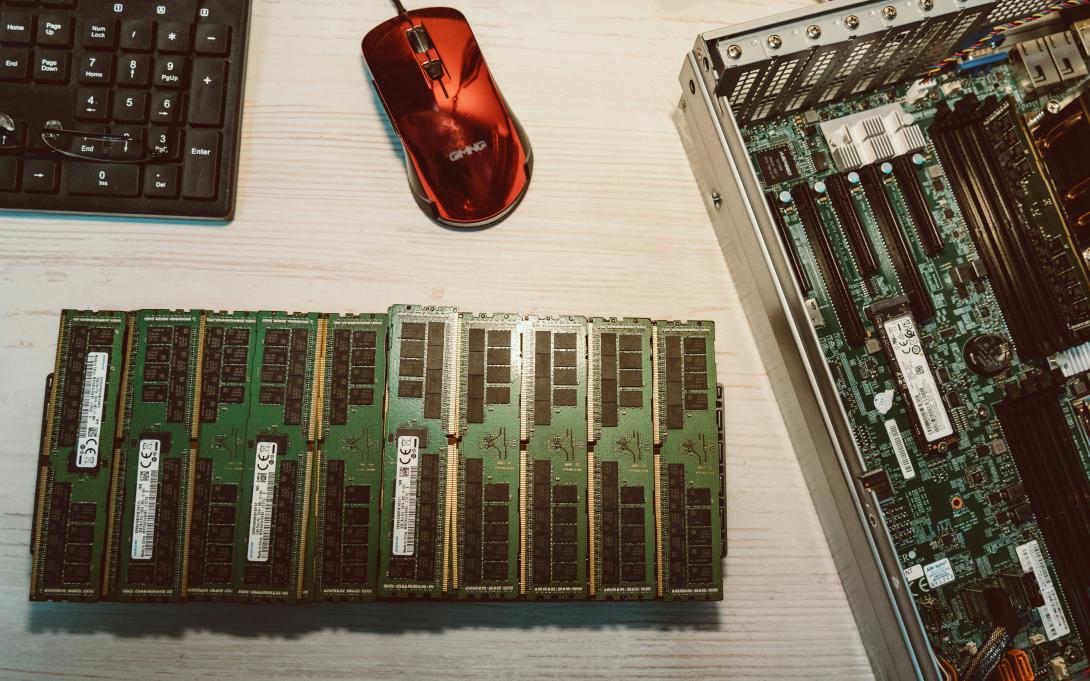
Back then, tech wasn't plug-and-play. You had to earn your progress with a soldering iron, UV eraser, and an intimate knowledge of jumper switches. Upgrading RAM meant stacking DIL chips and convincing your BIOS to recognise them. It was messy. It was beautiful. And it laid the foundation for everything I do today.
Networks and the Art of Creative Chaos
My first networks were strung together from BNC cabling salvaged from weekend PC fairs. I learned networking the hard way, with my hands, by building it, breaking it, and rebuilding it again. From IPX/SPX to TCP/IP, from coax to Cat5, every evolution introduced not just better speed, but deeper lessons in resilience and architecture.
That tactile, trial-by-fire learning gave me an intuitive feel for how systems talk to each other that no certification ever quite replicates.
Fieldwork to Frameworks
By my twenties, I was traversing the UK as a field engineer, wrestling with real-world deployments where "best practices" often met budget constraints and badly documented switch closets. That era taught me something technical manuals don’t: people, context, and compromise are part of the infrastructure too.
That blend of hands-on experience and strategic thinking now underpins my work as a Solutions Architect. I find myself in a fantastic position, helping global media companies align technology decisions with creative workflows, often under the weight of petabytes of irreplaceable content.
While adjusting to a new time zone and catching up with fellow engineers stateside ahead of NAB, we swapped stories from our early careers. These stories were filled with patch cables, solder burns, and BIOS resets. It struck me how much our shared past continues to inform the systems we design today. That sense of continuity, of experience shaping insight, has only grown more valuable in a world increasingly focused on abstraction.
Media Storage is Complexity with Consequence
Media and entertainment workflows are a beast of their own. They demand not just performance, but permanence. There’s a gravitas to safeguarding decades of human creativity, and I bring to that responsibility a deep respect for both the physics of hardware and the nuance of business outcomes.
At Pixitmedia by DataCore, I architect systems that balance the relentless pace of change with the timelessness of good design. That ability I developed in my youth, to see both the code and the story it supports; comes from years spent soldering, scripting, building and supporting systems from the ground up.
The Constant is Curiosity and Interest
Today, cloud-native tools, AI-enhanced search, and distributed workflows are changing the landscape again. But one truth remains: the best technologists aren’t trend-chasers. The best technologists I've met are principle-followers. The skills I honed with UV lamps and EEPROMs still guide how I evaluate modern solutions, no matter how ancient these tech call backs appear, there is a rooted security of understanding in my thoughts.
In the end, the journey from solder to storage isn't only a career, it is a lens through which I learned to balance innovation with intent.