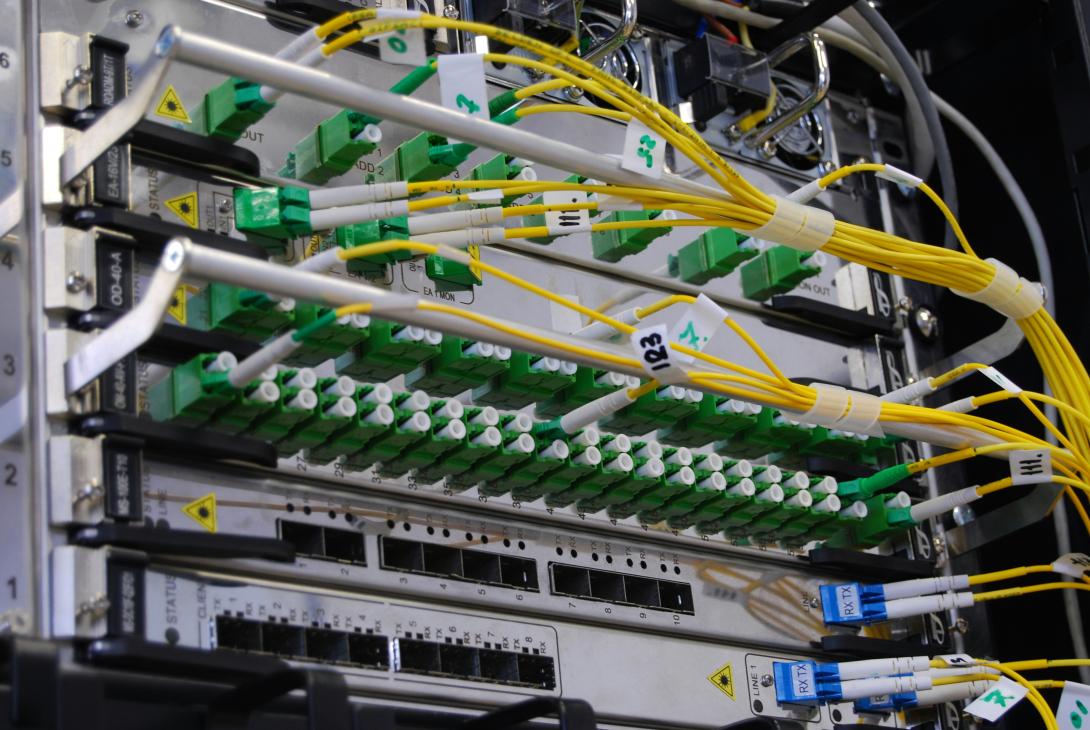
When I started my career, I was working with structured data, business documents, and email servers. My early roles took me across the UK, setting up networks and maintaining systems for corporate offices, later I moved across Europe and Scandinavia doing the same. It was the kind of IT work that taught reliability, clear communication, and how to solve problems when you're the one person everyone is waiting on.
That experience gave me a strong understanding of infrastructure, but it didn't prepare me for the realities of Media & Entertainment storage.
Understanding Creative Motion vs. Business Stability
The transition wasn't about bigger systems or faster drives for the media types, it was about understanding how people work with content. I learned in the last four years or so, that in media production, files aren't transactional, they are creative. They don't sit still; they move constantly through ingest, editing, VFX, grading, review, and delivery. They get duplicated, re-versioned, and sometimes entirely reimagined mid-project. Each step introduces different requirements like; performance, access, metadata, or long-term retention.
This shift changed how I thought about storage design. In corporate IT, you build for stability. In media, you build for momentum. The systems must adapt as fast as the workflows.
Performance Has Different Meanings
Understanding throughput matters more than IOPS. Network design must support many users working on the same assets in real time. Backup becomes archive strategy, and archive needs to behave like a working library.
Having a grounding in traditional IT gave me the language and discipline to design reliable systems. But it's the media experience that taught me how to design for people. For artists, editors and producers, well actually, for the collaborative chaos that defines creative work.
Planning for Production, Not Just Procurement
It also shifted how I think about planning. In corporate IT, capacity planning was often driven by growth targets and refresh cycles. In media, it's driven by production timelines. You might not need 500TB of fast storage today, but if a show gets greenlit or a deadline moves forward, you need to be ready. Flexibility becomes part of the architecture.
The Critical Role of Metadata
I've also learned how much metadata matters. In corporate environments, metadata often refers to document properties or database fields. In media, it's how you find the right version of a shot, track editorial feedback, or trigger automated processes. Good metadata design enables visibility across the entire pipeline, and poor metadata design introduces friction in places where speed matters most.
These nuances can't be addressed with one-size-fits-all infrastructure. They require conversations, observation, and a willingness to adapt systems to the realities of production.
Building Systems That Enable Creativity
Today, at Pixitmedia by DataCore, these two perspectives continue to shape how I work. I bring the same attention to detail whether I'm configuring storage tiers or helping a team plan for remote collaboration. Because infrastructure only matters if it helps people get their best work done.
And when those systems support creativity; quietly, reliably, without getting in the way. That's when I know I've done my job.