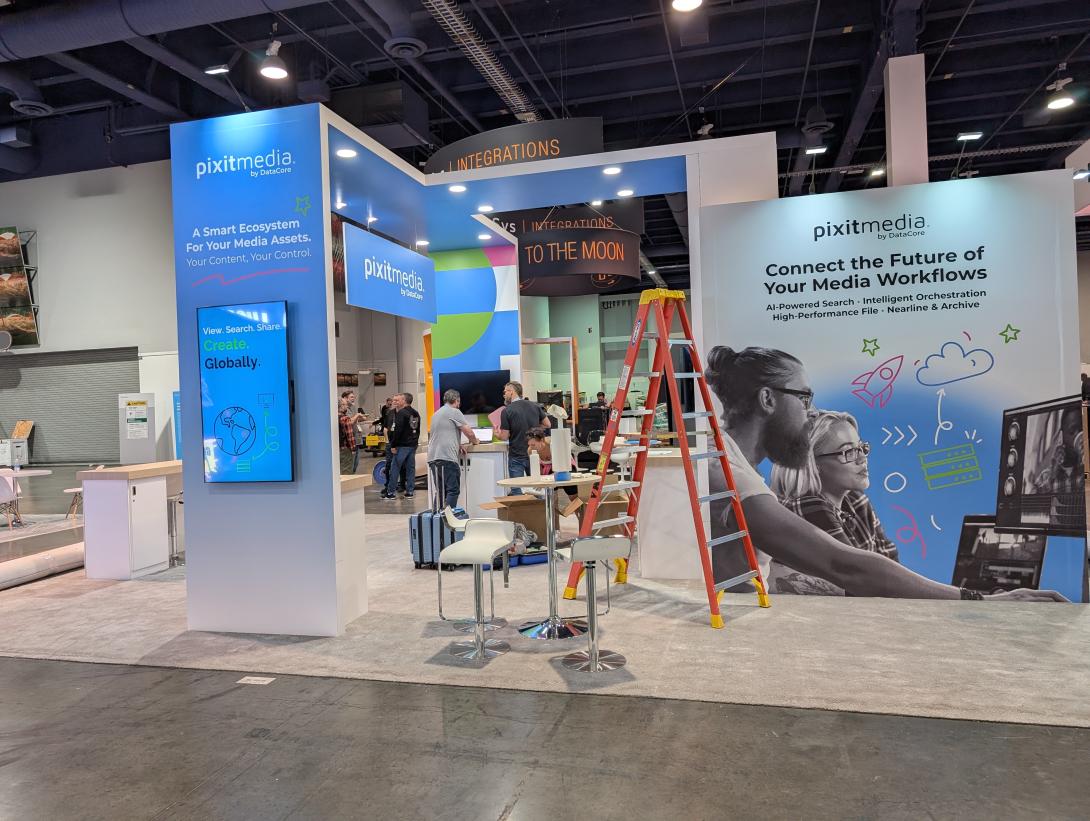
As a Solutions Architect with a background in outdoor leadership, I approached my first NAB show much like I would a multi-day expedition in challenging terrain. The towering halls of the Las Vegas Convention Center might not pose the same risks as a mountain ridge, but the physical and mental demands proved surprisingly comparable. Here's my field-tested approach to maintaining peak performance throughout a major trade show, drawing on principles that serve me well both on mountain trails and convention floors.
Expedition Planning Pre-Show Prep
Gear Selection
Just as I wouldn't attempt a mountain crossing without proper equipment, trade show success begins with thoughtful preparation:
- Footwear is fundamental: I selected shoes with cushioned support and tested them on long walks before the show. Technical hiking shoes disguised as business casual were my secret weapon.
- Layering strategy: Convention centers have notoriously unpredictable microclimates. I dressed in removable layers to adapt quickly whether standing under air conditioning vents or near crowded demo stations. A smart traditional 'sports jacket' works with jeans or slacks, teeshirts or button downs.
- The critical daypack: My laptop bag contained essential survival supplies while remaining professional in appearance. Key items, some collected from Wallgreens after arrival included:
- Refillable water bottle
- Electrolyte packets
- Energy bars strategically selected for sustained release
- Lip balm and hand sanitizer
- Throat lozenges for voice protection
- Backup battery and charge cables for my mobile, essential for the badge scanner app
Physical Conditioning
While I didn't train specifically for NAB, my regular outdoor activities provided a foundation of stamina that proved invaluable. Standing for 8-10 hours daily at a booth, as well as walking kilometers a day, late nights, early starts, while maintaining mental alertness requires surprisingly similar endurance to a multi-day trek. If you're desk-bound in the months before a major show, consider:
- Building standing tolerance with a standing desk
- Taking regular walking breaks
- Practicing stance variation to reduce fatigue
- Strengthening core muscles that support proper posture
- Going for a hike with a rucksack semi-regularly
Field Nutrition Strategy
Water Discipline
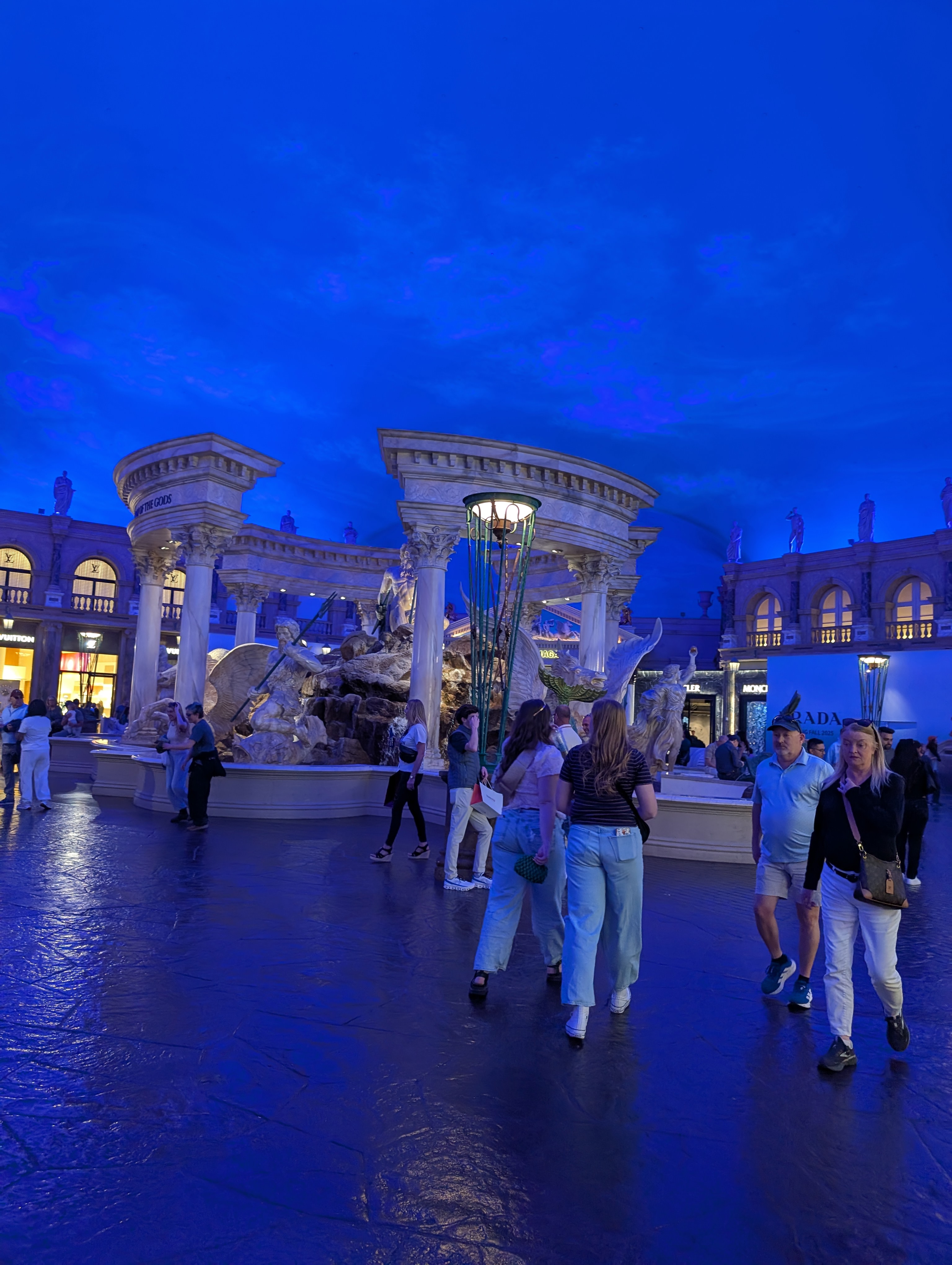
Las Vegas is perhaps the only place where you can simultaneously be in a desert and drowning in artificial luxury. The irony wasn't lost on me as I rationed water like I was on Crib Goch while surrounded by dancing fountains. Dehydration degrades performance rapidly in both wilderness and trade show environments. Las Vegas presents an additional challenge with its desert climate and artificially dry indoor air:
- I began each day with a huge glass of water before coffee
- Set hourly hydration reminders on my watch
- Added electrolyte packets to afternoon water rations when energy typically flags
- Limited coffee after noon to avoid sleep disruption, this didn't help hahahaha
Strategic Rationing
Long, unpredictable days meant I couldn't count on regular meal breaks. Just as I would portion trail food for an expedition, I planned my nutrition to maintain consistent energy levels:
- Morning loading: Protein-heavy breakfast at the hotel provided an expensive foundation
- Pocket provisions: Cliff Bars and mixed nuts stashed in booth cubbyholes and pockets for opportunistic refueling
- Vitamin C packets: Added to morning water as immune support in the high-contact environment
- Emergency reserves: One higher-calorie (Belgian chocolate) bar kept untouched until truly needed
The $15 chilled ham and cheese 6" baton at the center weren't just overpriced; they represented time away from valuable conversations. Self-sufficiency meant more productive booth time.
Navigation & Pacing
Energy Management
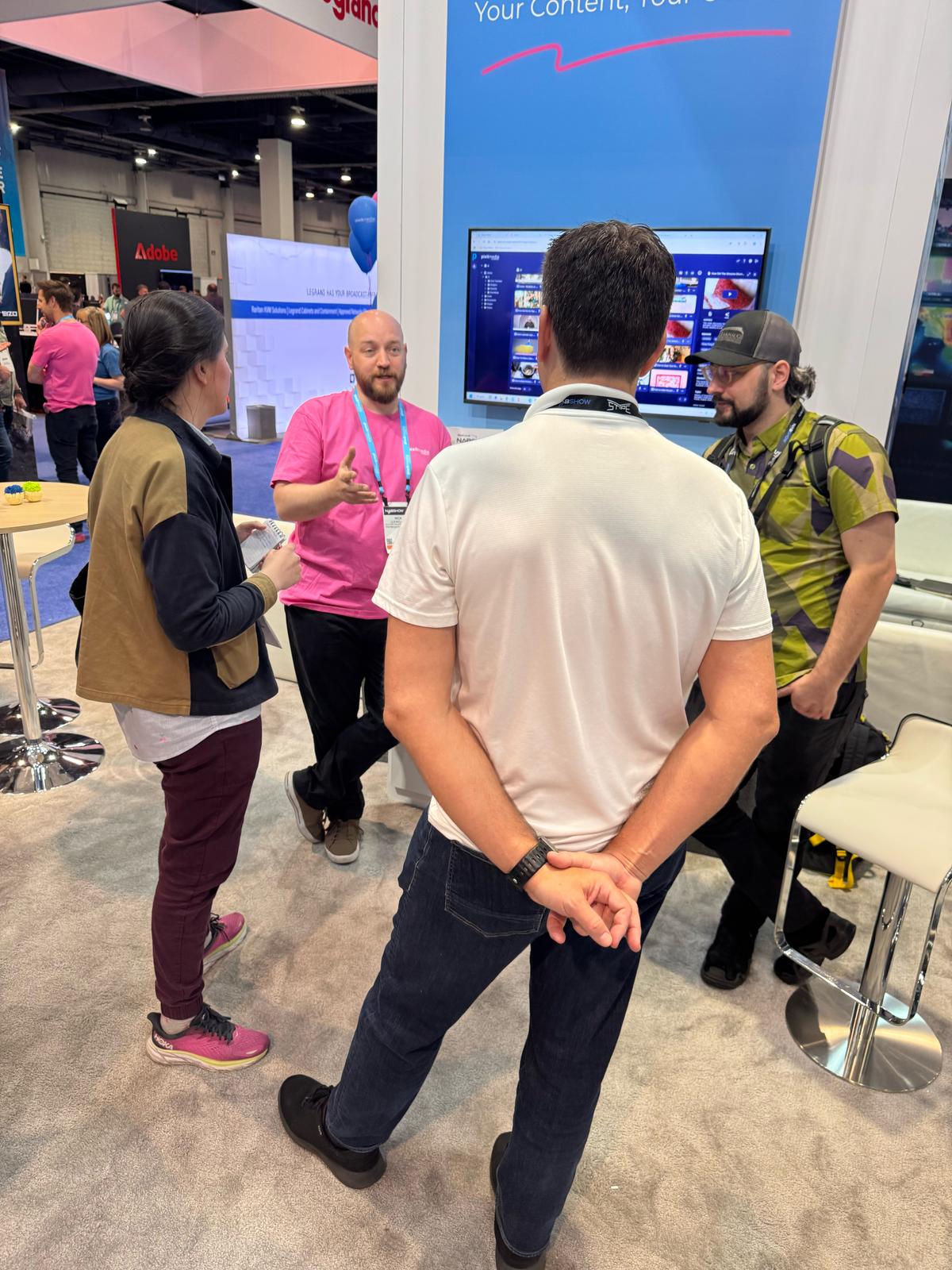
The most valuable lesson from mountain leadership that translated to NAB was energy conservation through deliberate pacing:
- I identified my personal "energy pattern" and scheduled critical meetings during peak alertness
- Recognised when a quick "brew break" (as we'd say on the trail) would improve overall performance
- Used micro-recovery techniques between interactions; mindful breathing, brief stretching, and momentary focus shifts, even a quick walk around the booth broke the slump
Path Selection
Just as route-finding is crucial in the wilderness, thoughtful movement through a massive convention center can save substantial energy:
- I studied the floor plan in advance and plotted efficient paths
- Identified quieter "rest zones" away from the main thoroughfares, outside, in the sun by the tesla loop at the back of South Hall was a nice spot
Group Management & Communication
In mountain leadership, voice preservation is essential for safety. At a trade show, your voice is equally vital equipment:
- I modulated my speaking volume to just-sufficient levels rather than competing with background noise
- Positioned conversations strategically within our booth to reduce strain, engaging prospects to come closer rather than getting louder
- Used non-verbal communication effectively to complement spoken words, I'm great with my hand gestures hahaha
- Employed the "whistle break" technique, essentially, periodic short silences to rest vocal cords
- Maintained hydration specifically for vocal health, using room-temprature drinks
Adapting to Adverse Conditions
Jet Lag Navigation
The five-time zone shift between Wales and Las Vegas presented a significant challenge. I managed this disorientation much as I would navigate in poor visibility:
- Embraced the forced reset approach: I ended up staying awake for 26 hours on my first day, leaving accommodation at 06:00 before the Gatwick flight, and finally getting to bed at midnight in Vegas after a full first day. This extreme but effective method resulted in 8 hours of solid sleep and waking up at the "right time" for Vegas.
- Accepted imperfection rather than fighting it; some adaptation is necessary
Emergency Response
Despite preparation, I still ended my NAB experience with a cold. My post-event analysis identified these resilience factors worth remembering:
- Consider preventative immune support (echinacea or similar) before high-exposure events
- Build recovery days into your post-show schedule rather than immediately returning to full operational capacity
- Maintain a trip log to identify patterns and improve future expedition planning
Basecamp Communication
Maintaining contact with home while on expedition provides essential psychological support. During NAB:
- I scheduled regular video calls with family despite the time difference
- These check-ins provided valuable perspective outside the trade show bubble
- Brief moments of connection helped maintain overall well-being
The Intangible Elements
Beyond the practical strategies, certain mindset elements from outdoor leadership transferred effectively:
- Adaptability: Accepting that no plan survives first contact with reality
- Situational awareness: Continually monitoring both your internal state and external environment
- Purpose-driven endurance: Connecting momentary discomfort to larger objectives
- Community support: Recognising how shared challenges build stronger team bonds
The Prepared Professional
The intersection of outdoor leadership and technology professionalism creates a unique perspective on trade show survival. While my colleagues might have seen me simply sipping electrolytes or stepping away for a brief moment of quiet, these were in fact deliberate applications of field-tested principles.
The most successful ascents aren't made by those who push hardest. They're achieved by those who manage their resources wisely for the entire journey. Whether you're pitching a technology solution on the NAB floor or navigating an exposed ridge in Snowdonia, the fundamental principles remain surprisingly similar: prepare thoroughly, pace strategically, fuel consistently, recover intentionally, and keep your ultimate objective in clear focus.
For my next NAB expedition, I'll adjust my approach based on this year's experience. Perhaps with more attention to preventative immune support and stricter boundaries on late-night events. But the core mountain leader's philosophy will remain my guide: respect the environment, know your capabilities, and move with purposeful efficiency toward your goal.